
DRIVING
Renting a car abroad: what to check before you book
Documents, deposits, insurance excess, fuel rules and the small print that changes at the border. A checklist to read before you click book.
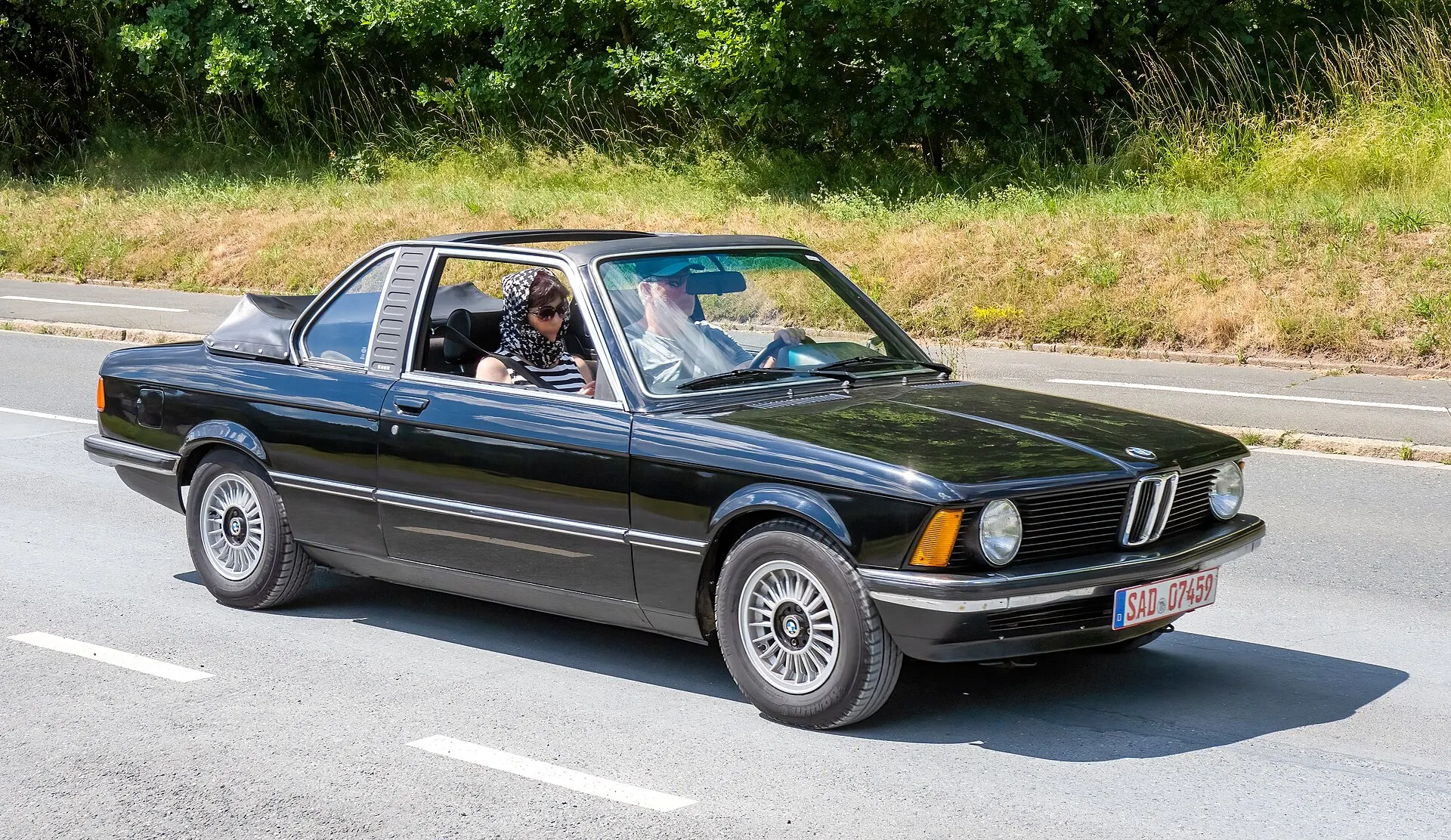
A rental car turns a trip into something freer: your own schedule, roads you would never reach by train, a trunk for everything you packed. It also comes with a contract, and the terms of that contract are written for the country you are visiting, not the one you are used to. The time to learn the details is before you book, not at the counter.
Here's what to check, in roughly the order it comes up.
Compare more than one search
Rental search sites don't all show the same companies. Each search works with its own set of rental brands, so a search on one site can miss a company that another site lists. Comparing two or three searches is the simplest way to widen the pool before you compare prices.
Local and regional rental companies are part of the picture too. They don't always appear on every global search, and their prices can differ noticeably from the big brands. A second search is often how you find them.
Searches can also differ in what they bundle into the headline price, such as insurance or an extra driver. Compare like with like, and read what each quote includes.
Get the documents right
Most countries accept a standard driver's license from your home country for a short visit, but not all do. Some require an International Driving Permit (IDP) alongside your license. Japan, for example, generally requires an IDP, or for some nationalities an official translation of the license. The rules vary by country and can change, so check your destination's official guidance before you book. In most places an IDP is issued through a national automobile association, and it translates your license rather than replaces it.
Payment matters too. Rental companies commonly require a credit card in the main driver's name for the deposit, and many will not accept a debit card or cash. Bring the card you booked with, with room on its limit.
Know what the price includes
The daily rate in the search results is rarely the whole story. Walk through the breakdown before you pay.
- Insurance and waivers. Most rentals include some protection, usually a collision damage waiver and theft protection. The number to check is the excess, or deductible: the amount you would pay yourself before the coverage kicks in. It can be high, and many companies sell a daily add-on to reduce it. Know what's included and what isn't.
- Fuel. Full-to-full is the common policy: you collect the car full and return it full. Other policies exist, and some charge a premium for the fuel and a fee on top. Full-to-full is the one that usually leaves the least to argue about.
- Mileage and one-way fees. Check whether mileage is unlimited, and what it costs to return the car to a different city. One-way fees vary widely, sometimes by route.
- Surcharges. Extra drivers usually cost extra. Young drivers commonly pay a daily surcharge, and some companies add fees for drivers over a certain age.
- Cross-border rules. If you plan to cross a border, check the rental's rules first. Some companies restrict certain countries, some require notice in advance, and some charge a fee. Driving into a country the rental doesn't allow can leave you without coverage.
Two quotes with the same daily rate can still end up costing very different amounts once insurance, fees and fuel are counted, so compare the totals, not the headlines.
The car is the easy part. The terms you agree to are the trip.
Pickup and drop-off
Airport desks are convenient, but rentals collected at an airport can carry extra location fees, and a city-center office can be cheaper even after the transfer. Compare both when you book.
Opening hours matter as much as location. If your flight lands late, check that the desk or shuttle still runs, and give the company your flight number so they know you're delayed. Some offices close on Sundays or for lunch, and an unstaffed desk can mean a long wait or a taxi to your lodging.
Photograph everything, at pickup and again at return: the exterior from every angle, the wheels, the interior, and the fuel gauge with the mileage showing. Note any existing damage on the paperwork before you drive off, and keep your photos and paperwork until the deposit is back on your card.
While you're at the car, note which fuel it takes. Diesel and petrol pumps are often side by side, and filling with the wrong one is an expensive mistake.
Driving abroad basics
Learn which side of the road you'll be on, and the priority rules that go with it, before you collect the car rather than at the first intersection. Some countries also require equipment in the car that you may not carry at home, such as a warning triangle or a reflective vest, and the rules differ from one country to the next.
Plan for tolls before you set off. Some countries use toll booths, while others, including Austria and Switzerland, sell a time-based pass called a vignette, and driving a toll road without one can bring a heavy fine. Check what your route needs and buy it in advance.
Low-emission zones are common in European cities. They restrict older or higher-polluting cars, and entering one without the right sticker or registration can mean a fine that arrives by mail long after you're home. Check the rules for every city on your route.
Parking rules change at the border too. What's legal on one side may not be on the other, and fines from abroad do find their way home. When in doubt, park where locals do and read the signs twice.
A short checklist before you book
- Compare two or three searches, since each covers different companies.
- Confirm your license is accepted, and get an IDP if the country requires one.
- Bring a credit card in the main driver's name for the deposit.
- Read what the price includes: insurance and excess, fuel, mileage, one-way and extra fees.
- Check pickup hours against your arrival time, and compare airport and city locations.
- Look up tolls, low-emission zones and any required car equipment for your route.
- Photograph the car and the fuel gauge at pickup and at return.